SB54 Alabama 2010 Session
Summary
- Primary Sponsor
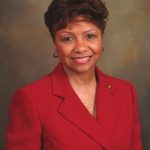 Linda Coleman-MadisonSenatorDemocrat
- Session
- 2010 Regular Session
- Title
- Pardons and Paroles Board, members increased, diversity of membership, Sec. 15-22-20 am'd.
- Summary
SB54 would expand Alabama's Board of Pardons and Paroles from three to five members, require diversity in appointments, and overhaul how vacancies and hearings are handled (including the use of special members and panel hearings).
What This Bill DoesIt increases the board size to five and requires membership to reflect the state's racial, gender, geographic, urban/rural, and economic diversity. It creates a nominating board that identifies five qualified nominees for any vacancy; the Governor appoints from that list with Senate confirmation, and appointments not acted on by the Senate can be voided with new nominees provided. Members serve six-year terms, take an oath, and must devote full time to the job, with compensation set by law. It also authorizes four special members for a limited period to conduct hearings on pardons and related actions, operating as two three-person panels under the board's authority.
Who It Affects- Group 1: People applying for pardons, paroles, restorations of political and civil rights, or related relief — their review and hearing process could involve more diverse board members and a panel-based structure.
- Group 2: Alabama state officials (Governor, Senate, Chief Justice, presiding Court of Criminal Appeals judge, Lieutenant Governor, Speaker, President Pro Tempore) — the bill changes how vacancies are filled, the appointment timeline, and the overall governance of the board.
Key ProvisionsAI-generated summary using openai/gpt-5-nano on Feb 25, 2026. May contain errors — refer to the official bill text for accuracy.- Board size increased from 3 to 5 members and must reflect the state's racial, gender, geographic, urban/rural, and economic diversity.
- Vacancy and appointment process: a nominating board (chaired by the Chief Justice) provides five nominees; Governor selects from the list with Senate confirmation; if the Senate does not act, the appointment is void and new nominees are provided; unconfirmed appointees trigger a new nomination process.
- Term limits and duties: members serve six-year terms, take the constitutional oath, may be impeached for specified reasons, and must devote full time to board duties; no other paid office during incumbency.
- Chair and compensation: the Governor designates a chairman; compensation is set by law and paid from the State Treasury.
- Special members and panels: the Governor may appoint four special members to reflect diversity; they serve for a limited term (2003-2006 in the bill's text) to conduct hearings on pardons, paroles, rights restorations, fines/forfeitures remission, and revocations; the board sits in two panels of three to handle these matters, with panel decisions counting as board decisions.
- Authority and procedures: the special panels operate under the same authority and procedures as the full board; the original board retains its administrative and personnel duties, and the act specifies effective timing after passage.
- Subjects
- Pardons and Paroles Board
Bill Actions
Read for the first time and referred to the Senate committee on Judiciary
Bill Text
Documents
Source: Alabama Legislature