HB16 Alabama 2012 1st Special Session
Summary
- Primary Sponsor
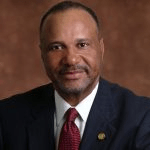 John F. Knight JrDemocrat
- Session
- 2012 First Special Session
- Title
- House of Representatives, redistricting pursuant to 2010 federal census, venue for legal action challenging to be in Montgomery County Circuit Court, official maps of districts retained in Secretary of State Office and printed with Acts, use for legislative intent, Sec. 29-1-1.2 repealed; Sec. 29-1-1.2 added
- Summary
The bill would require people in Montgomery to wear pants properly in public to avoid exposing underwear, with civil penalties or community service for violations instead of criminal penalties.
What This Bill DoesIt prohibits wearing pants more than three inches below the hips in public places within Montgomery and requires pants to be properly sized and secured. Violations by juveniles or adults would result in civil penalties or court-approved community service, with different penalty ranges and hours depending on age. The act explicitly says violations are not criminal offenses and do not allow arrest or imprisonment.
Who It Affects- Juveniles in public places who violate the dress code would face civil penalties of $25-$100 per offense or 10-20 hours of community service, with court costs waived.
- Adults in public places who violate the dress code would face civil penalties of $25-$150 per offense or 10-40 hours of community service, with court costs waived.
Key ProvisionsAI-generated summary using openai/gpt-5-nano on Feb 24, 2026. May contain errors — refer to the official bill text for accuracy.- Public places in the City of Montgomery require proper attire; pants must be sized and secured to prevent exposure of undergarments and should not be more than three inches below the hips.
- Juvenile violators receive a civil penalty of $25-$100 per offense, with court costs waived, or may be ordered to perform 10-20 hours of community service.
- Adult violators receive a civil penalty of $25-$150 per offense, with court costs waived, or may be ordered to perform 10-40 hours of community service.
- Violations are not treated as criminal offenses; violators may be cited but would not be arrested or imprisoned.
- The act becomes effective on the first day of the third month after it passes and is approved by the Governor.
- Subjects
- House of Representatives
Bill Actions
Read for the first time and referred to the House of Representatives committee on Constitution, Campaigns and Elections
Bill Text
Documents
Source: Alabama Legislature