HB49 Alabama 2019 Session
Summary
- Primary Sponsor
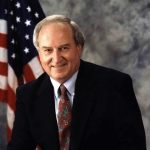 Lynn GreerRepublican
- Session
- 2019 Regular Session
- Title
- Churches, use of deadly force authorized, in defense of self or others for certain crimes against church members or volunteers, Alabama Church Protection Act, Secs. 13A-3-20, 13A-3-23 am'd.
- Summary
HB 49 would extend self-defense protections to church premises, allowing deadly force in defense of self or others and providing immunity from criminal and civil liability under certain conditions.
What This Bill DoesIt amends Sections 13A-3-20 and 13A-3-23 to let a person on church premises use physical force, including deadly force, in self-defense or defense of others when justified. If the force is used in those circumstances, the person is immune from criminal prosecution and civil liability unless the force was unlawful, with a pretrial immunity hearing to prove immunity. If immunity is granted, charges are dismissed; if not, the defense remains available at trial and the state must prove all elements beyond a reasonable doubt. Law enforcement may investigate the use of force under normal procedures but may not arrest unless there is probable cause that the force was unlawful; the bill also defines key terms and notes a local-funding clause.
Who It Affects- People on church premises (church members, volunteers, or employees) who might need to defend themselves or others and could gain immunity from liability.
- Church organizations and staff on church property, along with law enforcement and courts handling immunity determinations.
Key ProvisionsAI-generated summary using openai/gpt-5-nano on Feb 24, 2026. May contain errors — refer to the official bill text for accuracy.- Amends 13A-3-20 and 13A-3-23 to cover self-defense on church premises.
- Defines terms such as church, premises, building, and deadly physical force to apply on church property.
- Allows deadly force in self-defense or defense of others on church premises under specified conditions and creates a presumption of justification for deadly force in those scenarios.
- Provides immunity from criminal prosecution and civil liability if the force is justified, with a pretrial hearing to establish immunity by a preponderance of the evidence; if immunity is not established, the defense proceeds at trial with the state proving guilt beyond a reasonable doubt.
- Law enforcement may investigate the force used but may not arrest unless probable cause exists that the force was unlawful.
- The act becomes effective on the first day of the third month after its passage and governor's approval; it is stated to be exempt from certain local funding requirements due to defining a new or amended crime.
- Subjects
- Churches
Bill Actions
Pending third reading on day 4 Favorable from Judiciary with 1 substitute and 1 amendment
Judiciary first Substitute Offered
Judiciary first Amendment Offered
Read for the second time and placed on the calendar with 1 substitute and 1 amendment
Read for the first time and referred to the House of Representatives committee on Judiciary
Bill Text
Documents
Source: Alabama Legislature