HB71 Alabama 2025 Session
Summary
- Primary Sponsor
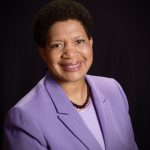 Adline ClarkeRepresentativeDemocrat
- Session
- 2025 Regular Session
- Title
- Elections; early voting; in-person voting period; authorized
- Summary
HB71 would create a system for early in-person voting in Alabama elections (non-municipal) starting with the 2026 general election, with centers, hours, staffing, and rules to prevent double voting.
What This Bill DoesThe bill would establish a process for early in-person voting in general and certain special elections (not municipal) and require counties to set up early voting centers with defined hours and locations. It would allow qualified electors to vote early without an excuse using a voting machine, and require centers to be staffed similarly to Election Day with at least two voting machines per center. The bill would require the Secretary of State to adopt rules to ensure early ballots are counted like Election Day ballots and to prevent voters from casting more than one ballot in the same election.
Who It Affects- Qualified electors (voters) in Alabama would have the option to vote early in-person without needing an excuse at designated early voting centers during the defined period before Election Day.
- County commissions and election officials (and, at the state level, the Secretary of State) would establish and operate early voting centers, determine locations and hours, hire staff, publish notices, reimburse expenses, and adopt rules to prevent double voting.
Key ProvisionsAI-generated summary using openai/gpt-5-nano on Feb 22, 2026. May contain errors — refer to the official bill text for accuracy.- Beginning with the November 2026 General Election, qualified electors may obtain and cast an in-person ballot early at an early voting center.
- The early voting period runs from 17 days before election day through the Thursday before election day, with at least eight continuous hours per day between 7:00 a.m. and 8:00 p.m., at least two weekdays open until 8:00 p.m., and Saturdays from 10:00 a.m. to 7:00 p.m.; hours may be expanded by the county.
- Each county must establish at least one early voting center for every 100,000 residents, determine center locations and service areas to align with precinct boundaries, and centers may be placed in courthouses, government buildings, or existing polling places; counties may reduce centers for certain special elections.
- Early voting centers must be staffed with election officials (at least one inspector and three clerks per center) and operate in the same manner as Election Day voting, with required compensation and allowance for poll watchers.
- At least two voting machines must be available at each early voting center; voters waiting in line at closing must be allowed to vote, and ballots and materials must be secured after the center closes.
- A county-wide communication plan must inform eligible electors about early voting, including publishing locations, dates, hours, and precinct assignments; information must be provided to the Secretary of State for integration with the voter locator system.
- All expenses related to implementing this section must be reimbursed under existing state law for election expenses.
- The Secretary of State must adopt rules to implement the section, ensure early ballots are counted and canvassed as if cast on Election Day, protect voter privacy, and prevent voters from casting more than one ballot in the same election.
- This act becomes effective July 1, 2025; the early voting provisions apply to elections beginning with the November 2026 cycle.
- Subjects
- Elections, Voting, & Campaigns
Bill Actions
Pending House Constitution, Campaigns and Elections
Read for the first time and referred to the House Committee on Constitution, Campaigns and Elections
Prefiled
Bill Text
Documents
Source: Alabama Legislature