SB87 Alabama 2010 Session
Summary
- Primary Sponsor
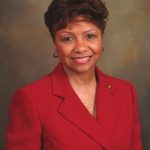 Linda Coleman-MadisonSenatorDemocrat
- Session
- 2010 Regular Session
- Title
- State buildings and facilities, Alabama Building Commission to adopt high performance energy efficient building standards of the U. S. Green Building Council, long term monitoring to assess cost effectiveness and efficiency of green buildings, purposes and objectives stated, Energy Independence and Sustainable Construction Act
- Summary
SB87 would require Alabama state buildings and major facilities to meet high energy efficiency standards (Green Globes or LEED Silver) with long-term monitoring, verification, and reporting.
What This Bill DoesIt establishes the Energy Independence and Sustainable Construction Act to promote energy and environmental standards for construction, rehabilitation, and maintenance of state buildings. It requires major facility projects to be designed and built to at least LEED Silver or two Green Globes, supported by life-cycle cost analyses to minimize long-term costs, and monitored for performance over time. It also sets up third-party verification, ongoing data collection on energy and environmental benefits, indoor air quality, and annual reporting to the Legislature, with aims to improve energy independence and building health.
Who It Affects- State agencies and departments that fund or manage major facility projects, which must plan, design, and certify projects to LEED Silver or Green Globes and conduct life-cycle cost analyses.
- Architects, engineers, contractors, and building owners involved in major facility projects, who must adhere to the new standards, register with certification bodies (USGBC or GBI), and engage third-party commissioning agents for periodic reviews.
Key ProvisionsAI-generated summary using openai/gpt-5-nano on Feb 25, 2026. May contain errors — refer to the official bill text for accuracy.- Major facility projects must be designed, constructed, and at least certified as two Green Globes or LEED Silver, with a life-cycle cost analysis to ensure the lowest 30-year cost.
- Certification is conducted through USGBC (for LEED) or GBI (for Green Globes); registration with the respective body is required before the first permit application, and the certification body has sole discretion to certify.
- Third-party commissioning agents must inspect projects at 5th, 10th, and 15th years after certification to verify ongoing performance, indoor air quality, energy and water savings, and to report findings to the commission with corrective actions if needed.
- The Alabama Building Commission will monitor, evaluate, and report on energy and environmental benefits for each major facility project, sharing data with the Legislature and conducting long-term analysis (up to 19 years after certification).
- The act allows waivers if meeting requirements is not economically feasible; it authorizes pursuing alternative rating systems that are at least as stringent, and it requires the commission to enforce provisions and adopt related rules.
- Subjects
- State Buildings
Bill Actions
Read for the first time and referred to the Senate committee on Energy and Natural Resources
Bill Text
Documents
Source: Alabama Legislature