SB187 Alabama 2011 Session

Updated Feb 27, 2026
Notable

Summary

Primary Sponsor
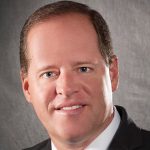
Cam Ward
Cam Ward
Republican
Co-Sponsor
Ben H. Brooks
Session
Regular Session 2011
Title
Civil procedure, admissibility of expert witness opinions further provided for, Sec. 12-21-160 am'd. (2011-20553)
Summary

SB187 tightens how expert opinions, especially scientific ones, are admitted in Alabama civil and certain criminal cases.

What This Bill Does

It adds a three-part test for scientific testimony: the testimony must be based on sufficient facts or data, created from reliable principles and methods, and those principles and methods must have been reliably applied to the case facts. It also confirms that expert testimony based on specialized knowledge is allowed when it helps the jury understand the evidence or a fact in issue. The act applies to civil actions commenced after January 1, 2012, and to non-juvenile felony criminal cases where the arrestee was charged for the proceeding on or after January 1, 2012; it does not apply to domestic relations, child support, juvenile, or probate cases. It overrides conflicting rules if needed, and does not change the Medical Liability Act.

Who It Affects
  • Civil litigants (plaintiffs and defendants) in civil state court actions commenced on or after January 1, 2012, who rely on expert testimony and must meet the new scientific evidence standards.
  • Criminal defendants and prosecutors in non-juvenile felony cases where the defendant was arrested on or after January 1, 2012; these cases follow the new admissibility rules for expert opinions, while certain case types (domestic relations, child support, juvenile, probate) are excluded.
Key Provisions
  • Adds a three-part test for scientific evidence: sufficient facts or data; product of reliable principles and methods; and reliable application of those principles and methods to the facts of the case.
  • Retains general rule that expert testimony based on specialized knowledge may be admitted if it will assist the trier of fact.
  • Specifies applicability: civil actions commenced after January 1, 2012; criminal actions only for non-juvenile felony cases where arrest occurred on/after January 1, 2012; excludes domestic relations, child support, juvenile, and probate cases.
  • Supersedes any Alabama Rule of Civil Procedure, Criminal Procedure, or Evidence rule if inconsistent, and affirmatively notes that the Medical Liability Act remains unchanged.
AI-generated summary using openai/gpt-5-nano on Feb 25, 2026. May contain errors — refer to the official bill text for accuracy.
Subjects
Civil Procedure

Bill Actions

Forwarded to Governor on June 1, 2011 at 2:06 p.m. on June 1, 2011

Assigned Act No. 2011-629.

Enrolled

Signature Requested

Concurred in Second House Amendment

Brooks motion to Concur In and Adopt adopted Roll Call 860

Concurrence Requested

Motion to Read a Third Time and Pass adopted Roll Call 317

Motion to Read a Third Time and Pass adopted Roll Call 980

Motion to Adopt adopted Roll Call 979

Motion to Adopt adopted Roll Call 316

Jones Amendment Offered

Brooks first Substitute Offered

Third Reading Passed

Read for the second time and placed on the calendar

Read for the first time and referred to the House of Representatives committee on Judiciary

Engrossed

Third Reading Passed

Read for the second time and placed on the calendar

Read for the first time and referred to the Senate committee on Judiciary

Bill Text

Votes

Motion to Read a Third Time and Pass

April 19, 2011 Senate Passed
Yes 32
No 1
Absent 2

Motion to Adopt

May 31, 2011 House Passed
Yes 96
Abstained 1
Absent 8

Motion to Read a Third Time and Pass

May 31, 2011 House Passed
Yes 69
No 26
Abstained 1
Absent 9

Documents

Source: Alabama Legislature