SB435 Alabama 2012 Session
Summary
- Primary Sponsor
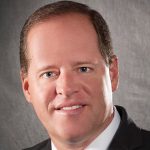 Cam WardRepublican
- Session
- 2012 Regular Session
- Title
- Psychology, practice further defined, unauthorized practice further regulated, definitions altered, confidential communications privileged, membership of Board of Examiners altered, continuing education; license renewal, proof of citizenship or legal status required for applicants for licensure, temporary licenses, emergency disaster licenses, reciprocal licensing, fine and penalty for unauthorized practice, civil procedure for enjoining unauthorized practice, certain fees increased, examinations of applicants, disciplinary evidence required by clear and convincing evidence, judicial review of board's orders, complaints of alleged misconduct, Secs. 34-26-1, 34-26-2, 34-26-21, 34-26-22, 34-26-40, 34-26-41, 34-26-42, 34-26-43, 34-26-43.1, 34-26-44, 34-26-45, 34-26-46, 34-26-47 am'd
- Summary
SB435 would overhaul Alabama's psychology licensing law by redefining practice, strengthening the Board's oversight, and adding mobility, background checks, and penalties to protect the public.
What This Bill DoesIt creates two levels of practice—psychologist and psychological technician—and clarifies what each level may do, including supervision rules for technicians and determining scope of services. It strengthens confidentiality protections for communications between psychologists/technicians and clients, with specific exceptions. It reorganizes the Board of Examiners in Psychology, sets renewal and continuing education requirements, and adjusts licensing fees; it also authorizes background checks and establishes processes for disciplinary actions and hearings. It adds licensing mobility and temporary disaster licensing for out-of-state licensees, requires citizenship or legal presence to practice in Alabama, increases penalties for unauthorized practice, and provides civil remedies to stop violations.
Who It Affects- Licensed psychologists and psychological technicians, who would face updated licensure requirements, renewal rules, continuing education mandates, fees, mobility options, and potential disciplinary oversight.
- The general public seeking psychological services, who would gain stronger confidentiality protections, clearer qualifications for practitioners, and new enforcement tools (civil remedies, higher penalties) against unlicensed practice.
Key ProvisionsAI-generated summary using openai/gpt-5-nano on Feb 25, 2026. May contain errors — refer to the official bill text for accuracy.- Defines two practice levels (psychologist and psychological technician) and clarifies the scope of each, including supervision requirements for technicians.
- Strengthens privileged communications between psychologists/psychological technicians and clients and lists exceptions where disclosure is allowed or required.
- Reconfigures the Board of Examiners in Psychology to seven members with a mix of academic and practicing psychologists, one licensed psychological technician, and one member of the general public; grants authority for duties, rulemaking, annual reporting, and staff support.
- Requires annual license renewal with a deadline and continuing education requirements; establishes renewal and registration fee structures (up to $500 total after the first year, with portions for psychologists and technicians).
- Authorizes mobility and reciprocal licensing for out-of-state licensees and permits temporary licenses for disaster or emergency situations (limits vary, e.g., up to 60 days during disasters).
- Imposes background checks as part of licensure and requires payment of a background check fee; examines costs for examinations and related processes.
- Elaborates on licensing examinations, including anonymity of written exams, grading by the board, and rights to review graded papers.
- Expands grounds for disciplinary action (fraud, unethical conduct, endangering clients, felony convictions, CE failures, practicing beyond scope, etc.) and outlines possible penalties (suspension, probation, remediation, revocation) with due process at hearings.
- Allows the board to seek civil injunctions to stop violations and recover investigation costs; recognizes ongoing board jurisdiction even if a license is inactive.
- Provides procedures for notices, hearings, and the involvement of a hearing officer in disciplinary cases to ensure due process.
- Subjects
- Psychology, Alabama Board of Examiners in
Bill Actions
Pending third reading on day 20 Favorable from Judiciary with 1 amendment
Indefinitely Postponed
Read for the second time and placed on the calendar 1 amendment
Read for the first time and referred to the Senate committee on Judiciary
Bill Text
Documents
Source: Alabama Legislature