SB250 Alabama 2013 Session
Summary
- Primary Sponsor
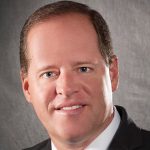 Cam WardRepublican
- Session
- Regular Session 2013
- Title
- Psychology, practice further defined, unauthorized practice further regulated, membership of Board of Examiners altered, continuing education; license renewal, proof of citizenship or legal status required for applicants for licensure, temporary licenses, emergency disaster licenses, reciprocal licensing, fine and penalty for unauthorized practice, civil procedure for enjoining unauthorized practice, certain fees increased, examinations of applicants, disciplinary evidence required by clear and convincing evidence, judicial review of board's orders, complaints of alleged misconduct, Sec. 34-26-45 repealed; Secs. 34-26-21, 34-26-22, 34-26-41, 34-26-42, 34-26-43, 34-26-43.1, 34-26-44, 34-26-46, 34-26-47 am'd
- Summary
SB250 would overhaul Alabama's psychology licensing laws by reshaping the Board, tightening licensure rules, increasing penalties for unauthorized practice, and adding mobility, disaster licensing, and citizenship requirements.
What This Bill DoesReforms the State Board of Examiners in Psychology to seven members, including two Alabama academic psychologists, three to five licensed practicing psychologists, one psychology technician, and one member of the general public. Tightens renewal and licensing rules, increases renewal-related fees, and requires continuing education for license renewal. Adds licensing mobility and temporary/emergency disaster licensing, and requires licensees to prove United States citizenship or legal presence to practice. Expands enforcement tools, including higher fines for unauthorized practice, civil remedies to stop violations, and new background-check fees; repeals the old waiver of examination for out-of-state licensees.
Who It Affects- Licensed psychologists and psychological technicians in Alabama, who would face new or higher renewal fees, mandatory continuing education, and ongoing disciplinary rules.
- Applicants for licensure or reciprocity from other states, who would need to meet updated licensure requirements, may use ASPPB CPQ or ABPP credentials, and could practice temporarily under mobility provisions or disaster exceptions.
- Individuals who practice psychology without a proper license, who would face increased penalties including potential Class C misdemeanors and higher fines.
- General public and consumers, who gain stronger board oversight, potential injunctions to stop violations, and public announcements of disciplinary actions.
Key ProvisionsAI-generated summary using openai/gpt-5-nano on Feb 25, 2026. May contain errors — refer to the official bill text for accuracy.- Board composition changes to seven members: two academic psychologists, three to five licensed practicing psychologists, one licensed or eligible psychological technician, and one public member.
- License renewal: licenses expire Oct 15 each year and require continuing education credits and payment of renewal fees; failure to comply can lead to a lapsed license.
- Citizenship/legal presence: licensees must be United States citizens or legally present with appropriate federal documentation.
- Background checks: examination and licensure processes include background checks with associated fees.
- Temporary and disaster licensing: nonresident licensees may practice in Alabama for up to 30 days annually without a license (60 days during declared disasters); mobility provisions allow licensed out-of-state psychologists to practice under rules.
- Fees: initial/permanent license fees, renewal fees, and CE registration fees set by the board; ongoing registration fees for psychologists up to $150 and for psychological technicians up to $100, with potential total caps.
- Disciplinary process: the board may suspend, place on probation, require remediation, or revoke licenses based on specified grounds; penalties capped at $1,000 per violation and $5,000 in total; hearings and due process requirements apply; standard of proof is preponderance of the evidence.
- Enforcement and remedies: the board can seek civil injunctions to enforce compliance and may recover investigation and legal costs.
- Subjects
- Psychology, Alabama Board of Examiners in
Bill Actions
Indefinitely Postponed
Health first Amendment Offered
Read for the second time and placed on the calendar 1 amendment
Read for the first time and referred to the Senate committee on Health
Bill Text
Documents
Source: Alabama Legislature