HB186 Alabama 2016 Session
Summary
- Primary Sponsor
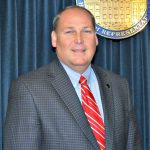 Paul W. LeeRepresentativeRepublican
- Session
- 2016 Regular Session
- Title
- Physician's Assistants Service Program, created, administered by the Board of Medical Scholarship Awards, funding of program, tax credits for participation
- Summary
HB186 would create the Alabama Physician’s Assistants Service Program to fund PA training with loans in exchange for a three-year service commitment in medically underserved areas, funded by the Education Trust Fund, plus a state income tax credit for participants.
What This Bill DoesThe program, run by the Board of Medical Scholarship Awards, would provide loans for qualified applicants pursuing a master’s degree in physician assistant studies. Loans could equal the average in-state tuition and fees at Alabama public institutions, contingent on signing a contract to work full-time in areas of critical need for three years after graduation. A state income tax credit of up to $5,000 per year is available for participants who work in these areas, with penalties and loan repayment rules if contracts are not honored; funding comes from direct appropriations to the Education Trust Fund, and the program would require annual reporting and rulemaking by the Board.
Who It Affects- Prospective and current physician assistants in Alabama who participate in the loan program and commit to work in areas of critical need
- Communities in medically underserved areas that gain increased PA services as participants fulfill their service obligations
- Healthcare employers and facilities located in areas designated as critical need or HPSA, which may benefit from increased PA coverage
- The Alabama Board of Medical Scholarship Awards, which administers the program
- The Department of Revenue, which would implement and administer the PA service tax credit
Key ProvisionsAI-generated summary using openai/gpt-5-nano on Feb 24, 2026. May contain errors — refer to the official bill text for accuracy.- Creates the Alabama Physician’s Assistants Service Program, administered by the Board of Medical Scholarship Awards and funded by direct appropriation from the Education Trust Fund
- The Board may award loans to qualified applicants or students for a master’s degree in physician assistant studies, up to the average in-state tuition and required fees at public Alabama institutions, contingent on signing a contract to work three years in an area of critical need after graduation
- Areas of critical need are defined as medically underserved areas determined by the Board, with priority given to areas that are within a primary-care health professional shortage area (HPSA) as recognized by HRSA and Alabama authorities
- Participants may change their area of critical need, but must still complete the three-year full-time practice requirement
- Default or failure to honor loan-repayment contracts triggers immediate repayment of principal plus interest (8% or prime rate, whichever is greater) and penalties (30% of principal if default before graduation; 100% of principal if default after graduation but before completing repayment)
- License revocation can occur for failure to honor the contract or repay the loan obligations
- Hardship waivers may excuse repayment in cases of death, disability, or other extreme hardship
- A $5,000 per year tax credit is available to participants in full-time clinical practice in areas of critical need, continuing after loan repayment if they remain in the same area, up to a total of 10 tax years
- The Board must annually report program status and finances, and can establish rules to implement the program
- Subjects
- Health
Bill Actions
Indefinitely Postponed
Ways and Means Education first Amendment Offered
Read for the second time and placed on the calendar 1 amendment
Read for the first time and referred to the House of Representatives committee on Ways and Means Education
Bill Text
Documents
Source: Alabama Legislature