SB217 Alabama 2016 Session

Updated Feb 27, 2026
Notable

Summary

Primary Sponsor
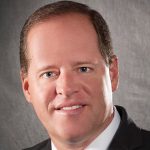
Cam Ward
Cam Ward
Republican
Session
Regular Session 2016
Title
Trespassing, critical infrastructure, crime established, penalties
Summary

SB217 creates a new crime, unauthorized entry of a critical infrastructure, punishable as a Class A misdemeanor.

What This Bill Does

The bill defines what counts as critical infrastructure (like chemical plants, power and water facilities, gas terminals, and transportation hubs) and prohibits four types of unlawful actions: entering without authority into a critical infrastructure site, using fraudulent identification to enter, remaining after being told to leave, and entering a restricted area within such infrastructure. Anyone who commits these acts would face a Class A misdemeanor. It also clarifies that the law does not block lawful assembly or petitions, and it explains that the local-funding requirements under Amendment 621 do not apply because the bill defines a new crime.

Who It Affects
  • Individuals who would potentially enter a critical infrastructure without authorization and could be charged under the new crime.
  • Owners, operators, lessees, custodians, and security personnel of critical infrastructure who manage access and enforcement against unauthorized entry.
Key Provisions
  • Defines critical infrastructure to include facilities such as chemical plants, refineries, electrical power facilities, water treatment, natural gas terminals, LNG terminals, storage facilities, and transportation hubs.
  • Creates unauthorized entry of a critical infrastructure as a crime, with four specific conduct types: (a) entering without authority into a protected facility; (b) using fraudulent documents for entry; (c) remaining after being forbidden to stay; (d) entering a restricted area marked as restricted or limited access.
  • Establishes the penalty for unauthorized entry as a Class A misdemeanor.
  • Affirms that lawful assembly and petition rights are not restricted by this section.
  • Section 2 notes the bill is exempt from local funding requirements under Amendment 621 because it defines a new crime.
  • Section 3 sets the effective date as the first day of the third month after the Governor signs the bill.
AI-generated summary using openai/gpt-5-nano on Feb 24, 2026. May contain errors — refer to the official bill text for accuracy.
Subjects
Crimes and Offenses

Bill Actions

S

Assigned Act No. 2016-390.

S

Enrolled

H

Signature Requested

S

Passed Second House

H

Motion to Read a Third Time and Pass adopted Roll Call 901

H

Pringle motion to Table adopted Roll Call 900

H

Judiciary first Substitute Offered

H

Third Reading Passed

H

Read for the second time and placed on the calendar with 1 substitute and

H

Read for the first time and referred to the House of Representatives committee on Judiciary

S

Engrossed

S

Motion to Read a Third Time and Pass adopted Roll Call 331

S

Ward motion to Adopt adopted Roll Call 330

S

Judiciary Amendment Offered

S

Third Reading Passed

S

Reported from Judiciary as Favorable with 1 amendment

S

Read for the first time and referred to the Senate committee on Judiciary

Bill Text

Votes

Motion to Read a Third Time and Pass

March 10, 2016 Senate Passed
Yes 29
Absent 6

Motion to Read a Third Time and Pass

May 4, 2016 House Passed
Yes 95
Abstained 1
Absent 9

Pringle motion to Table

May 4, 2016 House Passed
Yes 84
Abstained 10
Absent 11

Documents

Source: Alabama Legislature