SB298 Alabama 2018 Session
Summary
- Primary Sponsor
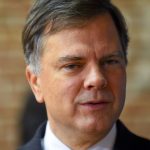 Arthur OrrSenatorRepublican
- Session
- 2018 Regular Session
- Title
- Alcoholic beverages, retail sale by state phased out, privilege granted to Class A and Class B licensees, inventory bailment system, tax, displaced employees benefits, leases, market zones established, Secs. 28-1-4, 28-2-22, 28-3-40, 28-3-43, 28-3-53.1, 28-3-53.2, 28-3-202, 28-3-205, 28-3-207, 28-3-241, 28-3A-11, 28-3A-12, 28-3A-19, 28-3A-21, 28-3A-22, 28-7-16 am'd.; Secs. 28-3-74, 28-3-280 to 28-3-286, inclusive, repealed on October 1, 2012
- Summary
The bill would end state-run retail alcohol sales by 2023 and shift those privileges to private board licensees, while setting up a phased transition, employee protections, and new licensing and tax rules.
What This Bill DoesIt requires the Alabama Alcoholic Beverage Control Board to phase out retail alcohol sales by October 1, 2023 while keeping wholesale operations. It creates a Retail Phase-Out Fund to pay for closing costs and disposes of fixed assets and inventory with assistance from the Department of Economic and Community Affairs. It establishes a Retailer Advisory Committee to review product availability, pricing, and policies, and it sets up new licensing procedures, fees, and transfer rules for retail licenses. It also provides for worker protections and benefits for displaced board employees and outlines how taxes, markups, and proceeds from alcohol sales would be distributed afterward.
Who It Affects- Board employees and displaced workers: the board would implement a hiring freeze, provide certain benefits to displaced workers, offer staffing adjustments during the phase-out, and provide additional compensation and transfer options within the state personnel system.
- Retail licensees and local governments: existing licensees would face new licensing rules, annual fees, renewal requirements, and restrictions on transfers; some existing off-premises licenses may continue under specific terms, while localities would see changes in tax distributions and proceeds from alcohol sales.
Key ProvisionsAI-generated summary using openai/gpt-5-nano on Feb 24, 2026. May contain errors — refer to the official bill text for accuracy.- Phase-out of all state-operated liquor stores and retail operations by October 1, 2023, with closures depending on lease end dates, profitability, and proximity to other stores (at least 20% closed each year beginning 2019).
- Creation of the Alcoholic Beverage Control Board Retail Phase-Out Fund to pay phase-out expenses (including employee costs); proceeds from selling fixed assets, equipment, and property go into this fund; remaining funds go to the State General Fund.
- Establishment of an application, review, and appeal process for retail licenses; authorization to sell, transfer, or surrender licenses; grandfathering of certain existing off-premises licenses with restrictions on sale/transfer.
- Board to set markup on alcohol sold and distribute proceeds; alcohol taxes to be collected and allocated to various funds and agencies, with phased tax changes and local distribution rules, including for wet counties and municipalities.
- Imposition of annual retail license fees, renewal requirements, and authority to adjust fees; prohibition on new off-premises licenses outside authorized licenses; option to allow limited beer and table wine sales under new licenses.
- Creation of the Retailer Advisory Committee to review product selection, distribution, warehousing, and pricing, with reporting of irregularities to the Attorney General and State Ethics Commission; appointment of one nonvoting board member by the committee.
- Provision for inventory-related payments and for the board to enter warehousing contracts as part of the transition.
- Subjects
- Alcoholic Beverage Control Board
Bill Actions
Read for the first time and referred to the Senate committee on Fiscal Responsibility and Economic Development
Bill Text
Documents
Source: Alabama Legislature