SB15 Alabama 2020 Session
Summary
- Primary Sponsor
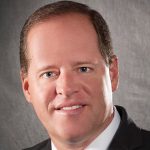 Cam WardRepublican
- Session
- 2020 Regular Session
- Title
- ALEA, felony drug trafficking wiretapping, interception of wire, oral, or electronic communications, Attorney General to authorize to apply for court order for intercept and to apply for intercept orders, disclosure of recorded communications, penalties for violations, Secs. 20-2A-1 to 20-2A-15, inclusive, added; Sec. 15-5-40 am'd
- Summary
SB 15 would let the Alabama Attorney General seek court orders to intercept wire or electronic communications in certain felony drug cases, with defined procedures, safeguards, and penalties for misuse.
What This Bill DoesIt authorizes the Attorney General to apply to circuit court judges for intercept orders when there is probable cause that a person is committing, has committed, or is about to commit felony drug offenses. It specifies how orders must be obtained, what information they must include, and the limitations on interception, with a maximum of 30 days for an intercept and up to 30 additional days for extensions. It requires recording and secure storage of intercepted communications, sealing after expiration, and a minimum 10-year retention before destruction, plus restrictions on who may access or disclose the contents. It also creates penalties for improper disclosures, allows civil lawsuits for violations, permits an administrative subpoena to carriers for certain records, and aligns pen register and trap-and-trace rules with federal law.
Who It Affects- Individuals whose wire or electronic communications could be intercepted or recorded (privacy is protected by court orders, with potential civil damages and suppression rights if the interception is unlawful or improperly disclosed).
- Law enforcement and government officials (Attorney General, Alabama State Law Enforcement Agency, investigative officers, prosecutors, and judges) who would authorize, implement, monitor, store, seal, and report on intercepts, and who could face penalties for violations.
Key ProvisionsAI-generated summary using openai/gpt-5-nano on Feb 23, 2026. May contain errors — refer to the official bill text for accuracy.- Adds Chapter 2A to Title 20 to authorize the Attorney General to apply for intercept orders for felony drug offenses.
- Requires a detailed affidavit and specific information in intercept orders, including probable cause, location, type of communication, and time period; limits interception to what is necessary and not longer than 30 days (with potential extensions up to 30 days).
- Mandates recording of intercepted communications, preserves integrity, and seals recordings after expiration; prohibits destruction for at least 10 years after expiration and last extension; allows duplicate recordings for investigative use.
- Imposes restrictions and penalties for unauthorized disclosure of intercepted contents, including civil liability and contempt of court penalties; permits suppression of evidence if rules are violated.
- Allows the use of pen registers and trap and trace devices with related sealing and penalties; requires reports and inventories related to intercepts and authorizes disposal only under court order or designated conditions.
- Authorizes the secretary to issue administrative subpoenas to communication carriers for toll or subscriber information in active felony drug investigations; requires alignment of stored communications rules with federal law (18 U.S.C. Chapters 121 and 206).
- Creates a Class C felony for knowingly possessing, installing, operating, or monitoring an electronic, mechanical, or other interception device in violation of the chapter.
- Amends Section 15-5-40 to coextend with federal provisions on stored communications and pen registers; allows emergency pen registers under federal rules with specific authorizations; permits certain disclosures for emergencies and vehicle to preserve evidence.
- Declares that the bill’s enactment would require new local funds but provides an exemption under Amendment 621 of the Alabama Constitution because it defines a new crime or amends existing crime.
- Effective date set for the first day of the third month after passage and governor’s approval.
- Subjects
- Wiretapping
Bill Actions
Read for the first time and referred to the Senate committee on Judiciary
Bill Text
Documents
Source: Alabama Legislature