SB235 Alabama 2022 Session
Summary
- Primary Sponsor
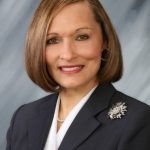 Vivian Davis FiguresSenatorDemocrat
- Session
- 2022 Regular Session
- Title
- Criminal procedure, protected person defined, child under 16 a person with intellectual disability, protected person to be offered protection in criminal prosecutions for physical offenses, sexual offenses, and violent offenses, use of anatomically correct dolls or mannequins during testimony of a child under 12 or a protected person, authorized, Sec. 15-25-7 added; Sec. 15-25-33 repealed; Secs. 15-25-1, 15-25-2, 15-25-3, 15-25-5, 15-25-6, 15-25-30, 15-25-31, 15-25-32, 15-25-34, 15-25-36, 15-25-37, 15-25-38, 15-25-39 am'd.
- Summary
SB235 would expand and clarify protections for child victims and witnesses and for protected persons with certain disabilities in Alabama criminal cases, including new testimony methods and admissibility rules.
What This Bill DoesExpands protections to include victims and witnesses who are 'protected persons' with developmental disabilities, in physical, sexual, and violent offenses. Defines 'child' as under 16 and 'protected person' by specific disability criteria, broadening who can receive protections. Allows use of anatomically correct dolls or mannequins for witnesses under 12 or for protected persons during testimony. Permits out-of-court statements by children under 12 or protected persons to be admitted if criteria are met, and introduces video depositions with specific safeguards and cost rules. Authorizes leading questions for certain young or protected witnesses (via new Section 15-25-7 and updated sections), and repeals an older expert-testimony rule related to unavailability of a child.
Who It Affects- Children under 16 who are victims or witnesses in criminal prosecutions; they would have new and expanded ways to testify and have statements admitted.
- Protected persons with developmental disabilities (as defined by the bill); they would receive similar protections, testing methods, and admissibility rules as children.
Key ProvisionsAI-generated summary using openai/gpt-5-nano on Feb 22, 2026. May contain errors — refer to the official bill text for accuracy.- Defines 'child' as a person under 16 and defines 'protected person' as someone with a developmental disability due to intellectual disability, autism, cerebral palsy, epilepsy, or similar conditions.
- Extends protections in physical offenses, sexual offenses, and violent offenses to both children and protected persons.
- Allows leading questions for witnesses under 12 or protected persons, with the court able to limit the scope of such questions.
- Allows use of anatomically correct dolls or mannequins to assist a witness under 12 or a protected person during testimony.
- Permits out-of-court statements made by a child under 12 or a protected person to be admitted if certain criteria are met (as outlined in related sections).
- Authorizes video depositions for victims or witnesses under 16 or for protected persons, with room rules, cross-examination procedures, protective orders, and state funding for costs.
- Provides that a child or protected person may testify via closed-circuit or video methods under specified conditions, and that the weight of such testimony is determined by the trier of fact.
- Repeals Section 15-25-33 (expert testimony on unavailability of a child) and adds Section 15-25-7 to permit leading questions for certain witnesses.
- Includes a speedy-trial provision to minimize stress on child victims/witnesses and protected persons, requiring the court to weigh delays against the well-being of these witnesses.
- Subjects
- Criminal Law and Procedure
Bill Actions
Indefinitely Postponed
Read for the second time and placed on the calendar
Read for the first time and referred to the Senate committee on Judiciary
Bill Text
Documents
Source: Alabama Legislature