HB474 Alabama 2010 Session
Summary
- Primary Sponsor
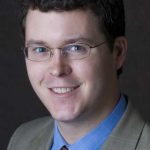 Joe HubbardDemocrat
- Co-Sponsors
- Randy WoodDuwayne BridgesRichard J. Laird
- Session
- 2010 Regular Session
- Title
- Mental Health Department, licensure for care or treatment for mental or emotional illness or individuals with an intellectual disability, non-clinical religious treatment excepted, Sec. 22-50-17 am'd.
- Summary
HB474 would exempt certain religiously affiliated facilities that care for mental illness or intellectual disability from state licensing, while creating a narrowly defined non-clinical religious treatment exemption for substance-use programs.
What This Bill DoesIt amends Section 22-50-17 to allow a facility operated under a legally established church or religious nonprofit to run without certification or licensure for mental health or intellectual disability care. It adds a separate pathway (subsection c) for programs that exclusively provide non-clinical religious treatment for substance-use problems, with specific requirements. It requires these religious programs to be under the authority of the sponsoring church or religious organization, to document their religious nature, to base treatment on religious beliefs, to avoid using a disease model or clinical records, and not to market themselves as providing clinical treatment. It also preserves existing licensing rules for other providers and notes an exception for certain private-practice clinicians under specified conditions.
Who It Affects- Legally established churches or religious nonprofit organizations operating facilities for mental health or intellectual disability care: would be exempt from certification or licensure.
- Private medical practitioners who practice in a private office: may treat patients without a license if they see fewer than two patients in a week for less than 24 hours total; otherwise a license would be required.
- Individuals seeking substance-use help through religious nonclinical programs: would receive religious-based support rather than clinical treatment, with no clinical assessments or records kept by the program.
- Other, non-exempt mental health or intellectual disability service providers: would remain subject to existing licensing requirements.
Key ProvisionsAI-generated summary using openai/gpt-5-nano on Feb 25, 2026. May contain errors — refer to the official bill text for accuracy.- Exemption from certification/licensure for certain religiously operated facilities caring for mental illness or intellectual disability under the authority of a legally established church or religious nonprofit.
- Creation of a nonclinical religious treatment exemption (subsection c) for programs that exclusively provide nonclinical religious treatment for substance-use problems, with conditions including religious authority, religious documentation, treatment based on religious beliefs, no disease model, no clinical records, and no marketing as clinical treatment.
- Definitions of key terms (clinical, clinical treatment or care, non-clinical religious treatment or care, program, religious, substance-related disorder, treatment or care) to guide the exemptions.
- Retention of existing licensure requirements for other providers and an exception for certain private-office clinicians treating limited numbers of patients.
- Effective date: becomes law on the first day of the third month after passage and governor approval.
- Subjects
- Mental Health Department
Bill Actions
Health first Substitute Offered
Indefinitely Postponed
Read for the second time and placed on the calendar with 1 substitute and
Read for the first time and referred to the House of Representatives committee on Health
Bill Text
Documents
Source: Alabama Legislature