SB34 Alabama 2015 Session
Summary
- Primary Sponsor
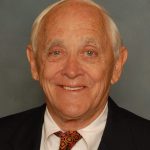
Gerald O. DialRepublican- Session
- Regular Session 2015
- Title
- Courts, circuit and districts, witnesses, video testimony authorize for members of Armed Services on active duty, requirements, Armed Services Accommodation Act, Sec. 12-21-135.1 added
- Summary
SB34 allows active-duty military witnesses and Alabama Department of Forensic Sciences staff to testify in Alabama courts by two-way video, with costs paid by the requesting party.
What This Bill DoesIt authorizes circuit or district judges to permit two-way video testimony from witnesses on active duty who are not physically present in Alabama, when their absence is due to official military duty and the testimony is given under oath with cross-examination. It also allows employees or representatives of the Alabama Department of Forensic Sciences to testify remotely in civil or criminal cases if all parties consent, under the same conditions. The party requesting video testimony must bear the related costs, and courts are not required to provide video equipment. Video testimony must be recorded like other testimony, the oath can be administered by video, and all participants must be able to see and hear the witness.
Who It Affects- Active-duty members of the armed services who are summoned as witnesses in civil or criminal cases in Alabama and may testify by two-way video from outside the state while on duty.
- Employees or representatives of the Alabama Department of Forensic Sciences who are summoned as witnesses and may testify remotely by two-way video with the consent of all parties.
Key ProvisionsAI-generated summary using openai/gpt-5-nano on Feb 24, 2026. May contain errors — refer to the official bill text for accuracy.- Establishes the Alabama Armed Services Accommodation Act and adds §12-21-135.1 with definitions for active duty, armed services, forensic scientists, and two-way video conference.
- Judges may permit two-way video testimony in civil cases if the witness is on active duty, not in Alabama, absence due to official duty, and testimony is given under oath and subject to cross-examination.
- For criminal cases, two-way video testimony may be allowed with consent of all parties and the same requirements as civil cases.
- Forensic scientists may testify by video in civil or criminal cases with consent, under oath and cross-examination.
- Admissibility conditions require that the witness, court, and trier of fact can see and hear each other, and that cross-examination is possible; oath may be administered by video.
- Only specified persons may be present with the witness during video testimony (video technician, counsel for the witness at no cost to the state, and others as determined by the court).
- The party seeking to introduce video testimony bears the costs and the court is not required to provide equipment; testimony must be recorded like other testimony.
- Testimony given by video conference must be admissible under existing rules of evidence.
- Effective date: the act becomes law on the first day of the third month after passage and governor's approval.
- Subjects
- Courts
Bill Actions
Assigned Act No. 2015-432.
Signature Requested
Enrolled
Passed Second House
Motion to Read a Third Time and Pass adopted Roll Call 1218
Third Reading Passed
Read for the second time and placed on the calendar
Read for the first time and referred to the House of Representatives committee on Judiciary
Engrossed
Motion to Read a Third Time and Pass adopted Roll Call 304
Motion to Adopt adopted Roll Call 303
Judiciary first Substitute Offered
Third Reading Passed
Read for the second time and placed on the calendar with 1 substitute and
Read for the first time and referred to the Senate committee on Judiciary
Bill Text
Votes
Motion to Adopt
Motion to Read a Third Time and Pass
Documents
Source: Alabama Legislature