SB216 Alabama 2016 Session
Summary
- Primary Sponsor
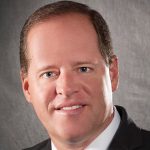
Cam WardRepublican- Session
- Regular Session 2016
- Title
- Fraudulent claims, treble damages for persons filing false claims, civil penalties, Attorney General required to investigate and initiate civil actions, retaliatory action by employers prohibited, limitation of actions, Medicaid False Claims Act
- Summary
SB216 creates the Alabama Medicaid False Claims Act to fight Medicaid fraud by allowing treble damages, civil penalties, and whistleblower-led actions, with protections against employer retaliation.
What This Bill DoesIt establishes a framework for the state and private individuals to sue for false or fraudulent claims against the Alabama Medicaid program. Violators could owe civil penalties per claim plus three times the damages and associated costs; penalties per claim range from $5,500 to $11,000 and are inflation-adjusted. Private whistleblowers can share in the proceeds (typically 15-25%), the state can intervene, and employers may not retaliate against employees who report fraud; the act also sets time limits for bringing claims and defines key terms.
Who It Affects- Medicaid program and the State of Alabama (via the Attorney General) would be able to recover three times the damages, plus penalties and costs, through civil actions and may seek injunctions to stop violations.
- Employees and other individuals who report fraud (whistleblowers) and their employers; whistleblowers may receive a portion of any proceeds, are protected from retaliation, and employers must not retaliate against reporting employees.
Key ProvisionsAI-generated summary using openai/gpt-5-nano on Feb 24, 2026. May contain errors — refer to the official bill text for accuracy.- Creates the Alabama Medicaid False Claims Act to pursue false or fraudulent claims against the Medicaid program and defines key terms (claim, knowing, material, obligation).
- Imposes civil penalties for each false claim ($5,500 to $11,000, inflation-adjusted) plus three times the damages and court costs; no requirement of proof of specific intent to defraud.
- Authorizes the Attorney General and private individuals to investigate and file civil actions; private actions may be pursued with state involvement, and shares of proceeds are awarded to the whistleblower (15-25%), with variations if the state does or does not proceed.
- Prohibits retaliatory action by employers against employees who disclose information to investigators; provides remedies including reinstatement, back pay, and damages.
- Sets limitations period for actions (generally six years after violation, or three years after knowledge, not to exceed ten years total) and provides procedures for seizures, injunctions, and intervention by the state.
- Provides procedural rules for qui tam-style actions, seal periods, and possible stay of discovery; allows state to intervene and continue the action or for private parties to proceed with supervision and potential settlement.
- Subjects
- Fraud
Bill Actions
Read for the first time and referred to the Senate committee on Judiciary
Bill Text
Votes
Motion to Read a Third Time and Pass
Documents
Source: Alabama Legislature