SB163 Alabama 2019 Session

Updated Feb 24, 2026

Summary

Primary Sponsor
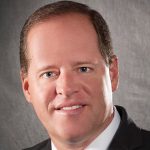
Cam Ward
Cam Ward
Republican
Session
Regular Session 2019
Title
Occupational licensees, process created to allow persons convicted of crime to apply for if granted relief by court
Summary

SB 163 creates a court process for people with criminal convictions to request an Order of Limited Relief to reduce automatic barriers to occupational licenses.

What This Bill Does

It establishes a petition process in circuit court for individuals convicted of state, federal, or foreign offenses to obtain an Order of Limited Relief that lifts some collateral licensing consequences; if granted, licensing boards may not automatically deny a license solely due to the conviction, though they can consider the underlying conduct. The procedure includes a postsentence report, possible additional documentation from other jurisdictions, and a $100 administrative filing fee (with an indigent option and potential payment plan). Eligibility limits who can file (no custodial sentence with more than six months remaining, not currently charged with a felony, not charged with a Class A misdemeanor within the past year, and not filing multiple petitions for the same convictions in different circuits), and the court must decide within 90 days, with hearings optional and decisions appealable to the Alabama Court of Civil Appeals.

Who It Affects
  • Individuals in Alabama with criminal convictions who want relief from licensing barriers and may seek an Order of Limited Relief.
  • Occupational licensing boards and licensing agencies in Alabama, which must apply the order and may consider the underlying conduct when evaluating licenses.
Key Provisions
  • Creates a petition process to obtain an Order of Limited Relief for collateral licensing consequences, with venue rules for state, federal, and foreign convictions and the possibility to cover multiple convictions.
  • An Order of Limited Relief prevents automatic denial of licenses due to the conviction, but boards may still consider the underlying conduct and may impose license actions based on that conduct.
  • Implements eligibility restrictions: no custodial sentence with more than six months remaining, no current felony charges, no Class A misdemeanor charged within the last 12 months, and no duplicate petitions for the same convictions across circuits.
  • Requires postsentence reports and allows additional documentation from other jurisdictions; permits waivers and confidentiality protections for records after relief; filing may require disclosure of certain records.
  • Imposes a $100 administrative filing fee (nonwaivable) with an indigent option and possible payment plan; fees go to the State Judicial Administration Fund.
  • Judges must rule within 90 calendar days (extendable for good cause); hearings optional; decisions consider factors like offense seriousness and relation to the collateral consequences; recovery of relief is not guaranteed and is appealable to the Alabama Court of Civil Appeals.
  • If relief is granted, the license may still be restricted or denied based on the underlying conduct; certain licenses (law enforcement employment, POST certification, and drivers' licenses) are exempt from this act.
  • Requires an annual report from the Administrative Office of Courts to the Legislature on applicants, granted orders, and offenses involved, with non-identifying data.
AI-generated summary using openai/gpt-5-nano on Feb 24, 2026. May contain errors — refer to the official bill text for accuracy.
Subjects
Licenses and Licensing

Bill Actions

S

Assigned Act No. 2019-464.

H

Signature Requested

S

Enrolled

H

Concurred in Second House Amendment

S

Marsh motion to Concur In and Adopt adopted Roll Call 1181

S

Concurrence Requested

H

Motion to Read a Third Time and Pass adopted Roll Call 927

H

Motion to Adopt adopted Roll Call 926

H

England Amendment Offered

H

Motion to Adopt adopted Roll Call 925

H

Judiciary Amendment Offered

H

Third Reading Passed

H

Read for the second time and placed on the calendar 1 amendment

H

Read for the first time and referred to the House of Representatives committee on Judiciary

S

Motion to Read a Third Time and Pass adopted Roll Call 157

S

Third Reading Passed

S

Read for the second time and placed on the calendar

S

Read for the first time and referred to the Senate committee on Judiciary

Bill Text

Votes

Documents

Source: Alabama Legislature