SB17 Alabama 2019 Session
Summary
- Primary Sponsor
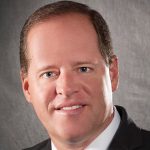
Cam WardRepublican- Session
- Regular Session 2019
- Title
- Criminal procedure, crime victims' compensation, Lisa's Law, entity contract, with convicted felons, escrow account for benefit of crime victims created, procedure, Sec. 41-9-80.1 to 41-9-80.8, inclusive, added; 41-9-80 to 41-9-84, inclusive, repealed.
- Summary
SB 17 creates Lisa's Law to require reporting and oversight of funds and profits paid to convicted felons, to help crime victims obtain civil remedies, with penalties for noncompliance and an escrow system to satisfy awards.
What This Bill DoesIt repeals the existing Division 2 and replaces it with Division 2A (Lisa's Law), establishing definitions and procedures for handling funds or profits paid to convicted individuals. It requires payors and correctional and government officials to notify the Board of Adjustment when such funds or profits exist or exceed $5,000, and it requires the Board to notify crime victims. It allows crime victims, the Attorney General, or the Board to pursue civil compensation and other civil remedies, imposes civil penalties for failure to report, and creates an escrow fund from which judgments can be paid to victims, with provisions for notice, hearings, provisional remedies, and confidentiality.
Who It Affects- Crime victims (or their representatives) and the Attorney General acting for victims, who can seek civil compensation and must be notified about profits or funds from a crime.
- Payors (including individuals, businesses, or government entities) and correctional officials who pay or contract to pay profits or funds to convicted individuals and must report those payments to the Board and may face civil penalties.
Key ProvisionsAI-generated summary using openai/gpt-5-nano on Feb 24, 2026. May contain errors — refer to the official bill text for accuracy.- Repeals Division 2 (41-9-80 to 41-9-84) and adds Division 2A (41-9-80.1 onward) known as Lisa's Law.
- Defines key terms: Funds of a convicted individual, Profits from a crime, Specified crime, Victim of a crime, Earned income, and Board of Adjustment.
- Requires any payor who pays or contracts to pay profits from a crime or funds to a convicted individual to give written notice to the Board; correctional officials and certain authorities must notify the Board when funds exceed $5,000 and deposit into inmate accounts.
- Authorizes crime victims, the Attorney General, or the Board to apply for civil compensation and other civil remedies related to the crime; Board can pursue provisional remedies and notify victims.
- Establishes civil penalties for failure to report funds, with hearings, and allows the Attorney General to collect penalties; penalties are placed in an escrow account to satisfy victims' judgments.
- Creates an escrow fund from profits or funds; Board can satisfy up to 100% of a victim's judgment from escrowed funds; if multiple victims, funds are distributed pro rata; funds may be returned to the convict if no claims are filed within five years.
- Requires notice to victims and publication of notices; records and proceedings are confidential; if a conviction is overturned, funds may be reinstated and repaid to the convicted individual.
- Effective immediately upon passage and approval by the Governor.
- Subjects
- Criminal Law and Procedure
Bill Actions
Judiciary first Substitute Offered
Judiciary first Amendment Offered
Pending third reading on day 21 Favorable from Judiciary with 1 substitute and 1 amendment
Read for the second time and placed on the calendar with 1 substitute and 1 amendment
Read for the first time and referred to the House of Representatives committee on Judiciary
Engrossed
Motion to Read a Third Time and Pass adopted Roll Call 562
Ward motion to Adopt adopted Roll Call 561
Ward motion to Adopt adopted Roll Call 560
Judiciary Amendment Offered
Third Reading Passed
Reported from Judiciary as Favorable with 2 amendments
Read for the first time and referred to the Senate committee on Judiciary
Bill Text
Votes
Ward motion to Adopt
Documents
Source: Alabama Legislature