SB245 Alabama 2020 Session
Summary
- Primary Sponsor
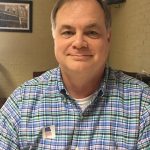 Sam GivhanSenatorRepublican
- Session
- 2020 Regular Session
- Title
- Audiology and Speech-Language Pathology Interstate Compact, established to authorize licensees to practice among compact member states
- Summary
SB245 would create the Audiology and Speech-Language Pathology Interstate Compact to let licensed providers practice across member states and establish a governing commission and data system to manage licensure and discipline.
What This Bill DoesIt establishes the compact and a governing Commission to oversee participation, rulemaking, enforcement, and dispute resolution. It allows licensed audiologists and speech-language pathologists to practice in other member states under a compact privilege, as long as they meet home-state requirements and follow the host state's laws where the client is located. It creates a coordinated data system for licensure, adverse actions, and investigations, and sets eligibility requirements (education, practicum, exams, clear license, background checks). It also sets telehealth provisions and rules for enforcement, relocation of providers, and active-duty military provisions.
Who It Affects- Licensed audiologists and speech-language pathologists who could practice across member states under a compact privilege, provided they meet home-state qualifications and comply with host-state practice laws.
- Regulatory licensing boards and the Audiology and Speech-Language Pathology Compact Commission, which would recognize licenses, share data, enforce rules, conduct investigations, and manage the data system.
Key ProvisionsAI-generated summary using openai/gpt-5-nano on Feb 23, 2026. May contain errors — refer to the official bill text for accuracy.- Creates the Audiology and Speech-Language Pathology Interstate Compact Commission and assigns membership, powers, duties, and rulemaking authority.
- Allows a compact privilege for practice in member states, with practice occurring where the client is located and adherence to host-state standards; requires home-state licensure and eligibility.
- Defines key terms (home state, remote state, compact privilege, data system, adverse action) and establishes a coordinated data system for licensure and investigations.
- Sets eligibility requirements for Audiologists and Speech-Language Pathologists, including education, supervised practicum, national examination, active license, no felony related to practice, and a valid ID number.
- Establishes procedures for adverse actions, including home-state primacy, deactivation of privileges across states, and joint investigations with information sharing among states.
- Authorizes telehealth practice across member states under the compact privilege.
- Provides active-duty military provisions to designate a home state and retain it during service, with rules for relocation.
- Implements implementation rules and withdrawal procedures, including how rules apply and how conflicts with state laws are handled, with enforcement options including federal court remedies if needed.
- Subjects
- Speech-Language Pathology and Audiology, Board of Examiners for
Bill Actions
Read for the first time and referred to the Senate committee on Healthcare
Bill Text
Documents
Source: Alabama Legislature