SB267 Alabama 2018 Session
Summary
- Primary Sponsor
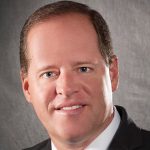
Cam WardRepublican- Session
- Regular Session 2018
- Title
- Ethics Commission, enforcement provisions revised, Secs. 36-25-1, 36-25-4, 36-25-27 am'd.
- Summary
SB 267 updates Alabama's ethics enforcement by redefining minor violations, raising penalties, changing investigation procedures, and adding district court jurisdiction for ethics cases.
What This Bill DoesIt redefines what counts as a minor ethics violation and increases the administrative penalties that can be imposed for such violations. It changes how criminal investigations can be started, requiring a written complaint and preliminary inquiry, and allows investigations to be authorized with consent from four commission members. It also allows hearings to be conducted by a panel of three judges and then referred to the district attorney or the Attorney General for action. Finally, it adds district courts as a venue to hear ethics cases, in addition to circuit courts.
Who It Affects- Public officials and public employees in Alabama — subjects them to a revised definition of minor violations, higher potential administrative penalties for those violations, and new rules for how investigations are initiated and progressed.
- Courts, prosecutors, and the Ethics Commission — district courts gain jurisdiction for ethics cases, investigations may be initiated and conducted under new procedures, and penalties and restitution can be pursued through court action or referrals to the District Attorney or Attorney General.
Key ProvisionsAI-generated summary using openai/gpt-5-nano on Feb 24, 2026. May contain errors — refer to the official bill text for accuracy.- Redefinition of minor violation to adjust thresholds for what constitutes a minor ethics violation.
- Increase in administrative penalties for minor violations, up to a maximum of $6,000 per minor violation, plus restitution for economic losses when applicable.
- Revised investigation initiation process requiring a written and signed complaint, a preliminary inquiry, and potential authorization by four commission members; hearings may be conducted by a three-judge panel and, if findings of violation occur, referred to the district attorney or the Attorney General.
- Explicit clarification that district courts have jurisdiction to hear ethics cases in addition to circuit courts.
- Subjects
- Ethics Commission
Bill Text
Votes
Ward motion to Adopt
Motion to Read a Third Time and Pass
Documents
Source: Alabama Legislature