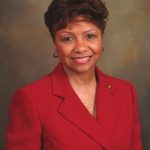
SB368 Alabama 2021 Session
Summary
- Primary Sponsor
Linda Coleman-MadisonSenatorDemocrat- Session
- Regular Session 2021
- Title
- Public K-12 schools, drinking water provided in schools, water bottle use to be regulated
- Summary
SB368 would require water bottle filling stations in newly built and certain renovated public K-12 schools, regulate water bottle use, and involve local-funding considerations.
What This Bill DoesIt requires installation of water bottle filling stations in new public K-12 school buildings and certain renovations, with minimum counts and strategic placement. Stations must dispense cooled, filtered water and be maintained; water bottles are allowed in classrooms if they meet certain criteria. It also imposes rules on who can use the stations and where bottles can be used, and it connects the bill to local funding requirements under Alabama’s constitutional provisions.
Who It Affects- Students, teachers, and staff would be able to use the filling stations and bring approved water bottles to classrooms, with bottles allowed in classrooms but restricted in some other areas.
- Local school systems and boards of education would be responsible for installing, maintaining, and funding the stations in new and renovated buildings and would be subject to local-funding rules triggered by the measure.
Key ProvisionsAI-generated summary using openai/gpt-5-nano on Feb 23, 2026. May contain errors — refer to the official bill text for accuracy.- Requires water bottle filling stations in all newly constructed public K-12 school buildings and certain renovated public K-12 buildings.
- Minimum installation requirements: at least one filling station per 100 occupants, at least one on every floor and wing, and at least one in or near high-traffic areas like gymnasiums and cafeterias.
- Stations may be integrated with drinking fountains and must dispense cooled, filtered water and be regularly cleaned and maintained.
- Water bottles must be made of durable material, have a lid, and be used only for water; bottles are allowed in classrooms but may be restricted in libraries, computer labs, science labs, and other potentially dangerous areas.
- Local boards of education may establish policies governing water bottle use.
- The bill creates a requirement for a new or increased local expenditure; if not enacted by a 2/3 vote, local approval or state funding would be needed for it to take effect locally.
- Effective date: becomes law on the first day of the third month after passage and governor approval.
- Subjects
- Public Schools
Bill Actions
Read for the first time and referred to the House of Representatives committee on Ways and Means Education
Motion to Read a Third Time and Pass adopted Roll Call 1163
Third Reading Passed
Read for the second time and placed on the calendar
Read for the first time and referred to the Senate committee on Education Policy
Bill Text
Votes
Motion to Read a Third Time and Pass Roll Call 1163
Documents
Source: Alabama Legislature