HB68 Alabama 2022 Session
Summary
- Primary Sponsor
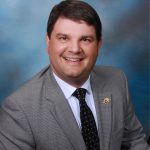
Matt SimpsonRepresentativeRepublican- Session
- Regular Session 2022
- Title
- Criminal procedure, protected person defined, child under 16 a person with intellectual disability, protected person to be offered protection in criminal prosecutions for physical offenses, sexual offenses, and violent offenses, use of anatomically correct dolls or mannequins during testimony of a child under 12 or a protected person, authorized, Sec. 15-25-7 added; Sec. 15-25-33 repealed; Secs. 15-25-1, 15-25-2, 15-25-3, 15-25-5, 15-25-6, 15-25-30, 15-25-31, 15-25-32, 15-25-34, 15-25-36, 15-25-37, 15-25-38, 15-25-39 am'd.
- Summary
HB68 expands protections for children and individuals with certain developmental disabilities in Alabama criminal cases, updating testimony rules, admissibility of statements, and school-employee penalties.
What This Bill DoesIt defines a new category called 'protected person' (people with specified developmental disabilities) and extends protections in prosecutions for physical, sexual, and violent offenses to these individuals and to children under 16. It allows use of anatomically correct dolls or mannequins during testimony of a child under 12 or a protected person. It lets certain out-of-court statements by a child under 12 or a protected person be admitted under specific conditions, and it permits video depositions or closed-circuit testimony with safeguards for cross-examination and privacy. It adds leading-question allowances for witnesses under certain ages or protected persons, updates the list of offenses that qualify under these provisions, repeals an older expert-testimony rule, and strengthens penalties for school employees who have sex acts with students or protected persons.
Who It Affects- Children under 16 or protected persons with developmental disabilities, who gain new testimony options and protections in court.
- Victims or witnesses in physical, sexual, or violent offenses involving minors or protected persons, who may have out-of-court statements admitted and may testify via video or closed-circuit methods.
- School employees, who would face new and stricter penalties for sexual acts with students or protected persons.
- Defendants in these cases, who are affected by new testimony procedures, leading-question allowances, and deposition/testing rules.
- Courts, prosecutors, and law enforcement, which must apply the new procedures for admissibility, testimony, and protection requirements.
Key ProvisionsAI-generated summary using openai/gpt-5-nano on Feb 22, 2026. May contain errors — refer to the official bill text for accuracy.- Defines 'protected person' as someone with developmental disabilities due to intellectual disability, autism, cerebral palsy, epilepsy, or similar conditions, with specific age-related criteria and functional impairments.
- Allows use of anatomically correct dolls or mannequins during testimony of a child under 12 or a protected person.
- Authorizes leading questions for certain witnesses (under 12 or protected persons) with court-limited scope under new 15-25-7 and related sections.
- Permits out-of-court statements by a child under 12 or a protected person to be admitted in criminal proceedings if conditions in 15-25-31 and 15-25-32 are met, and provides rules for cross-examination and availability.
- Admits out-of-court statements under specified circumstances with corroboration requirements and trustworthiness criteria, including factors to consider (age, memory, credibility, coercion, etc.).
- Requires the jury to be informed when a statement was taken without cross-examination and outlines procedures for reviewing such evidence (15-25-36 to 15-25-38).
- Enumerates the offenses that qualify as child physical/sexual/violent offenses when the victim is a child under 12 or a protected person (15-25-39), including rape, sodomy, various forms of abuse, exploitation, and related crimes.
- Strengthens penalties for school employees who engage in sex acts with students or student-protected persons (13A-6-81 and 13A-6-82), including Class B or C felonies and a Class A misdemeanor for soliciting a sex act.
- Repeals the prior rule on expert testimony about unavailability of a child to testify (15-25-33) and adopts new procedures, corroboration requirements, and findings for unavailability and admissibility.
- Requires the act to become law on the first day of the third month after passage.
- Subjects
- Criminal Law and Procedure
Bill Actions
Delivered to Governor at 3:35 p.m. on March 29, 2022.
Assigned Act No. 2022-201.
Clerk of the House Certification
Signature Requested
Enrolled
Concurred in Second House Amendment
Simpson motion to Concur In and Adopt adopted Roll Call 726
Concurrence Requested
Motion to Read a Third Time and Pass adopted Roll Call 679
Givhan motion to Adopt adopted Roll Call 678
Givhan Amendment Offered
Third Reading Passed
Read for the second time and placed on the calendar
Read for the first time and referred to the Senate committee on Judiciary
Motion to Read a Third Time and Pass adopted Roll Call 106
Third Reading Passed
Read for the second time and placed on the calendar
Read for the first time and referred to the House of Representatives committee on Judiciary
Bill Text
Votes
Motion to Read a Third Time and Pass Roll Call 106
Motion to Read a Third Time and Pass Roll Call 679
Givhan motion to Adopt Roll Call 678
SBIR: Singleton motion to Adopt Roll Call 677
Simpson motion to Concur In and Adopt Roll Call 726
Documents
Source: Alabama Legislature