Dunham Schedules Montgomery Campaign Stops on IVF, Voting Rights, Labor
Written by Brent Wilson on
March 31, 2026
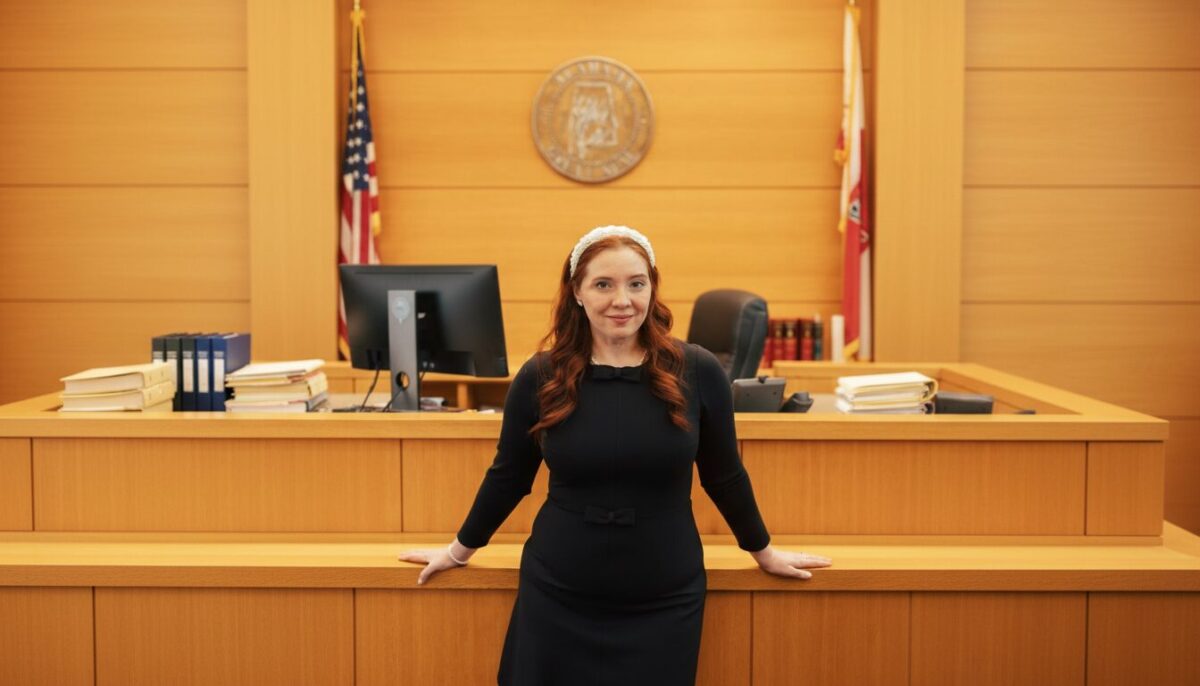
AshLeigh Dunham, a Democrat from Hoover running for the Alabama Supreme Court, is scheduled to make three campaign-related stops in Montgomery on Wednesday as part of her statewide tour.
Dunham plans to appear from 9 to 10:30 a.m. at the Alabama State House with Fight for Alabama Families, then from 10:30 to 11:30 a.m. at Voting Rights Advocacy Day, also at the State House. She is also scheduled to attend the Alabama AFL-CIO’s Road Kill BBQ from 11 a.m. to 2 p.m. at the Alabama AFL-CIO office on South McDonough Street.
The campaign said Dunham’s Montgomery visit will center on issues affecting families and workers, with particular attention to IVF protections, voting rights, and the right of workers to organize. Dunham’s campaign also said she may be available to speak with reporters during the day, depending on travel and scheduling.
The first stop places Dunham alongside advocates pressing lawmakers on IVF protections, an issue that has drawn continued attention in Alabama after court decisions and legislative action affecting fertility treatment. Her second stop keeps her at the State House for an advocacy event focused on voting rights.
Her final stop moves from the Capitol complex to a longstanding labor event hosted by the state AFL-CIO. The barbecue is scheduled in the back parking lot of the union office, on the South Hull Street side of the property.
Dunham’s campaign describes her legal background as including work as a juvenile court referee, a special sitting circuit judge, and a litigator. The campaign has presented that experience as part of her case for a seat on the state’s highest court.
Dunham is running in the 2026 Alabama Supreme Court Place 1 election. She is set to face Greg Shaw, a Republican from Auburn who serves as an Associate Justice on the Alabama Supreme Court, in the Nov. 3, 2026, general election.
Alabama’s party primaries are scheduled for May 19, 2026. Campaign appearances like Wednesday’s Montgomery schedule often give statewide judicial candidates a chance to introduce themselves to advocacy groups, labor organizations, and voters before the race moves deeper into the election year.